
Understanding Forex Trading Regulations: A Complete Guide
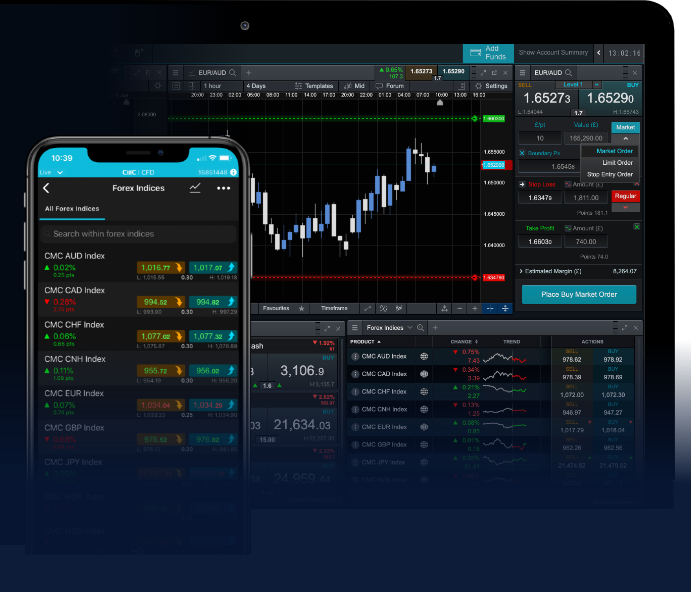
Forex trading can be both lucrative and complex, and understanding the regulations that govern it is essential for traders around the globe. With international markets operating under different jurisdictions, it’s crucial to know how regulations can influence your trading strategies and investment decisions. To help you navigate this complex landscape, we have compiled a comprehensive guide to forex trading regulations. Additionally, feel free to check out forex trading regulations Forex Trading Apps that can assist you in your trading journey.
The Importance of Forex Regulations
Regulations in the forex market serve several purposes. Firstly, they help to protect investors from fraud and misconduct. The financial industry has its share of dubious practices, and regulatory bodies aim to maintain market integrity. Secondly, regulations aim to enhance the stability of the financial system by creating a framework within which legitimate entities can operate. Finally, regulations ensure that brokers and financial institutions remain solvent and provide reliable services to their clients.
Key Regulatory Bodies
Several key regulatory bodies oversee forex trading in different jurisdictions. Understanding these bodies can assist traders in identifying whether their broker adheres to necessary standards. Some of the most notable regulators include:
- Commodity Futures Trading Commission (CFTC) – United States: The CFTC regulates futures and options markets in the U.S. and ensures that the forex market operates in a fair and transparent manner.
- National Futures Association (NFA) – United States: As a self-regulatory organization, the NFA monitors the trading practices of its members and enforces compliance with regulations.
- Financial Conduct Authority (FCA) – United Kingdom: The FCA is responsible for regulating firms in the financial services industry, ensuring they operate with integrity and protect consumer interests.
- Australian Securities & Investments Commission (ASIC) – Australia: ASIC regulates corporations and financial services, promoting a fair and transparent financial system.
- European Securities and Markets Authority (ESMA) – European Union: ESMA provides comprehensive regulation across member states, ensuring consistent standards in financial markets.
Types of Regulations in Forex Trading
Forex trading regulations can be broadly categorized into several types. Here are some of the significant regulations that traders should be aware of:
1. Capital Requirements
Many regulatory bodies impose minimum capital requirements to ensure that brokers have sufficient funding to operate and minimize the risk of insolvency. This is essential for maintaining trust in the market.
2. Segregated Accounts
To protect traders’ funds, brokers are often required to keep client funds in separate accounts from their operational funds. This means that even if a broker faces financial difficulties, traders’ money should remain safe.

3. Leverage Limits
Leverage allows traders to control larger positions with a smaller amount of capital. However, excessive leverage can lead to significant losses. As a result, many regulators set limits on the amount of leverage that brokers can offer to their clients.
4. Reporting Requirements
Regulatory bodies often require brokers to submit regular reports concerning their financial standing, trading practices, and operational activities. This promotes transparency and helps regulators monitor market integrity effectively.
5. Anti-Money Laundering (AML) and Know Your Customer (KYC)
Regulations also mandate that brokers undertake AML and KYC procedures. This includes verifying the identity of their clients and monitoring transactions to prevent illegal activities.
Impact of Regulations on Traders
While regulations are generally seen as a way to protect traders, they can also have various impacts. For instance, increased regulation can impose costs on brokers, which may lead to higher trading fees for clients. Furthermore, strict leverage limits can restrict traders looking to maximize their returns. However, these regulations often lead to a safer trading environment, which can ultimately benefit traders in the long run.
Choosing a Regulated Broker
Selecting a regulated broker is one of the most important decisions a trader can make. To ensure you choose a legitimate broker, consider the following tips:
- Check the regulatory status: Review the broker’s regulatory status on the relevant regulatory authority’s website.
- Read reviews and testimonials: Look for independent reviews of the broker from trusted sources to gauge their reputation.
- Examine their policies: Understand the broker’s trading conditions, such as spreads, commissions, and leverage offerings.
- Explore customer service: Investigate their responsiveness and quality of customer support, as this may play a vital role in your trading experience.
Conclusion
Understanding forex trading regulations is crucial for any trader aiming to navigate the forex market successfully. Regulations help protect traders, enhance the credibility of the financial system, and prevent malpractice. While they may impose certain restrictions, the long-term benefits of trading with regulated brokers far outweigh the downsides. As you embark on your trading journey, ensure that you stay informed about regulations and select brokers who operate in accordance with the law. By doing so, you’ll increase your chances of achieving success in the dynamic world of forex trading.