
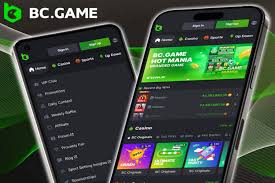
Exploring HashGame Mirror: A New Dimension in Blockchain Gaming
In the rapidly evolving world of gaming, the emergence of blockchain technology has introduced novel concepts and mechanisms to enhance user experience and security. One such innovation is HashGame Mirror, a platform that promises to redefine how players interact with games and each other in a decentralized environment. In this article, we will explore the features, benefits, and overall impact of HashGame Mirror.
To learn more about its specifics, you can visit About HashGame Mirror https://hash-bcgame.com/about-hash-game-mirror/.
What is HashGame Mirror?
HashGame Mirror is a blockchain-based gaming platform that integrates various aspects of gaming, including player ownership, decentralized finance (DeFi), and community-based features. Unlike traditional gaming environments, HashGame Mirror empowers players by allowing them to own in-game assets and participate in governance through a token-based economy.
Key Features of HashGame Mirror
Understanding the unique attributes of HashGame Mirror can greatly enhance players’ engagement and ownership of their gaming experiences. Here are the key features of this innovative platform:
1. True Ownership of Assets
One of the standout features of HashGame Mirror is the concept of true ownership. In traditional gaming models, players typically do not own in-game assets. Items purchased within a game can become obsolete or lost if the game’s servers shut down. However, HashGame Mirror utilizes blockchain technology to provide players with verifiable ownership of their assets. Each item or character is represented as a non-fungible token (NFT), and players can buy, sell, or trade these assets freely.
2. Decentralized Governance
HashGame Mirror incorporates decentralized governance, allowing players to actively participate in decision-making processes. Through governance tokens, players can vote on proposals regarding game development, new features, or community guidelines. This feature fosters a sense of community and collaboration, as players collectively shape the platform’s future.
3. Play-to-Earn Mechanism
The play-to-earn model is a central aspect of many blockchain games, and HashGame Mirror is no different. Players can earn tokens through gameplay, completing challenges, and participating in events. This model not only incentivizes players to spend more time in the game but also provides a unique opportunity to monetize their skills and engagement.
4. Interoperability
HashGame Mirror aims to promote interoperability between different games and platforms. This means players can use their NFTs across multiple games within the ecosystem. By breaking down traditional barriers, players can enjoy a more cohesive gaming experience and maintain their investments across various titles.
The Role of Community in HashGame Mirror
Community engagement is vital to the success of any gaming platform, and HashGame Mirror places significant emphasis on creating a vibrant player community. The platform hosts forums, social media channels, and regular events to encourage interaction and collaboration among players. This sense of belonging can enhance player retention and satisfaction, making the gaming experience more enjoyable.
HashGame Mirror vs. Traditional Gaming Platforms
When comparing HashGame Mirror to traditional gaming platforms, several critical differences emerge. Traditional gaming relies heavily on centralized control, where developers dictate player experiences and monetization strategies. In contrast, HashGame Mirror prioritizes user agency, allowing players to shape their gaming journeys through ownership and governance.
Challenges and Future Prospects
While HashGame Mirror presents numerous advantages, it also faces challenges typical of the blockchain gaming sector. Issues such as scalability, transaction fees, and market volatility can hinder user experiences. To overcome these hurdles, continuous innovation and adaptation will be necessary.
Looking ahead, HashGame Mirror is poised for growth. As blockchain technology becomes more mainstream and gaming communities continue to expand, platforms like HashGame Mirror will likely play a crucial role in shaping the future of gaming. Embracing advancements in technology, while maintaining a strong focus on community engagement, will be essential for its success.
Conclusion
In conclusion, HashGame Mirror represents a transformative shift in the gaming industry, blending blockchain technology with community-driven gaming. By providing players with true ownership, decentralized governance, and a play-to-earn model, it opens the doors to a new era where players are not just consumers but active stakeholders. As the gaming landscape continues to evolve, HashGame Mirror stands out as a pioneering platform, suggesting that the future of gaming is not only a matter of entertainment but also of empowerment.