
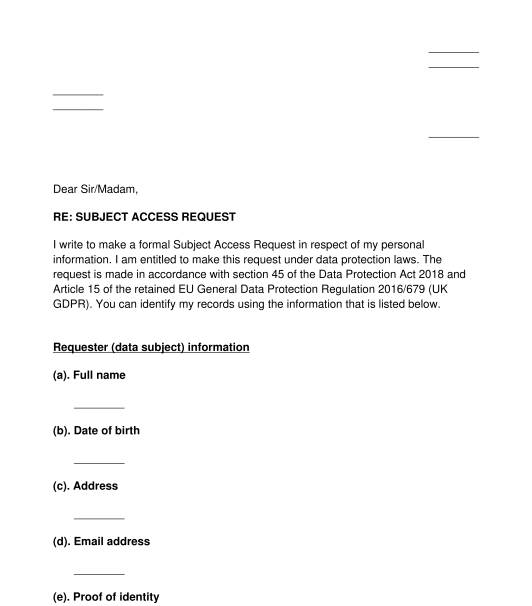
Understanding the Process of Requesting Access: A Comprehensive Guide
In an increasingly regulated and information-driven world, the need to understand how to request access to certain types of information has become paramount. Whether you are a journalist, academic, or simply a member of the public, knowing how to navigate the request for access process can be beneficial. This article will detail the steps involved, legal frameworks, and best practices you need to consider to make an effective request for access to records or information you believe you’re entitled to.
What is a Request for Access?
A request for access refers to the formal procedure by which an individual, organization, or entity seeks to obtain information or documentation from a governmental body, organization, or corporation. The purpose of such requests can vary widely, from investigative journalism seeking public interest stories to individuals seeking personal records held by government entities.
Understanding the Legal Framework
Many countries operate under freedom of information (FOI) laws that outline the legal rights of individuals to access information held by public authorities. These laws are designed to promote transparency and accountability in government operations. It’s essential to understand the specific legislation governing your request, as it can dictate what information is accessible, the timeframe for responses, and grounds for denial.
Types of Information Covered
In most jurisdictions, FOI laws cover a range of information types, including:
- Government documents and reports
- Email correspondence amongst public officials
- Meeting minutes and agendas
- Public records, such as court documents and vital statistics
Steps to Make an Effective Request for Access
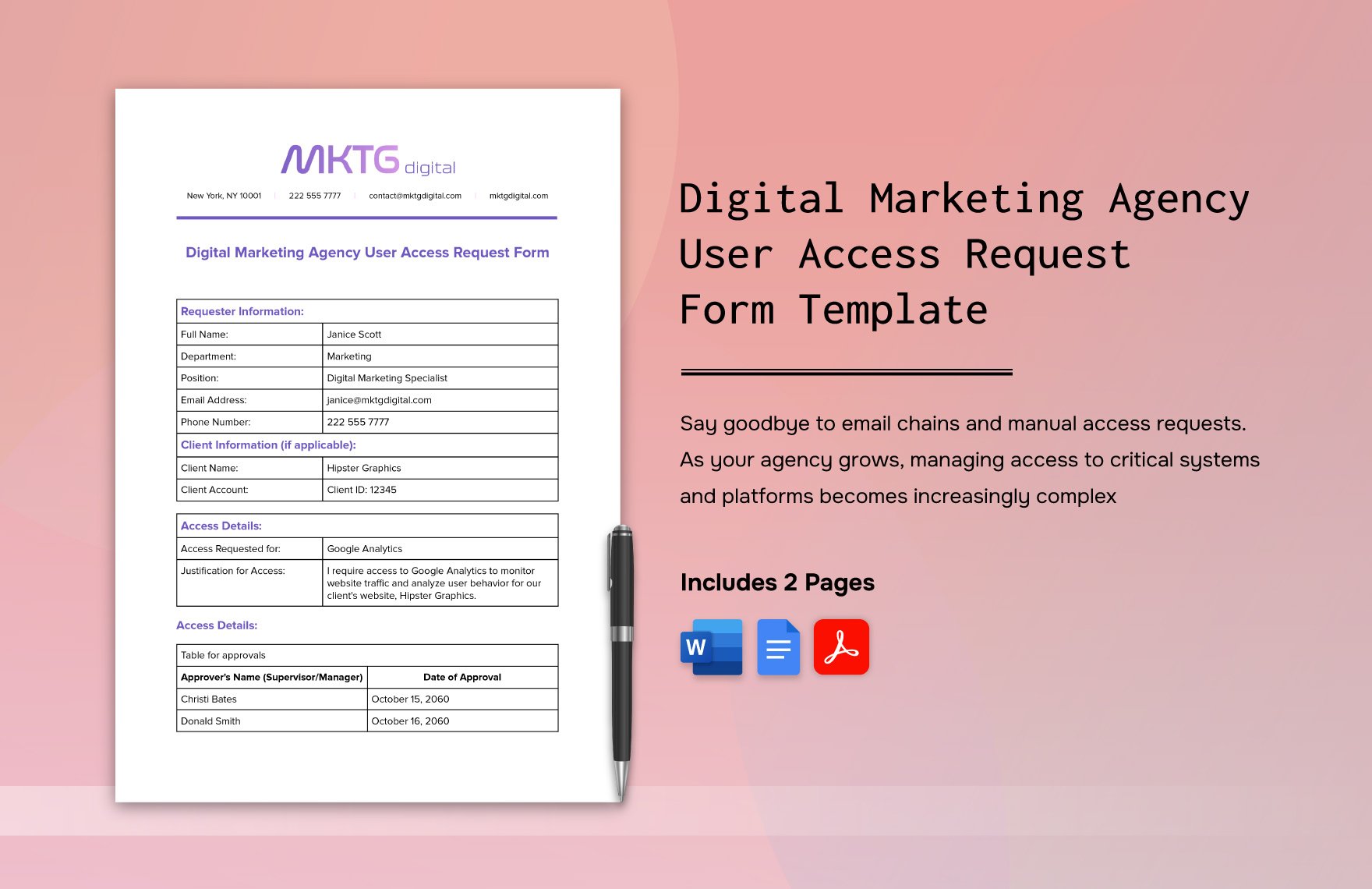
Crafting a solid request is vital to increasing your chances of success. Below are important steps to follow:
1. Identify the Correct Authority
Before making a request, determine which agency or organization holds the information you need. This may involve some preliminary research to understand where records are maintained.
2. Understand What Information is Available
Familiarize yourself with the kinds of information that can be requested under the relevant statutes. This can often be found on the agency’s website or through published guidelines.
3. Draft Your Request
Write a clear and concise request. Include:
- Your name and contact information
- A description of the information you wish to access
- The format in which you would like to receive the information
- Any relevant dates or timeframes
4. Submit Your Request
Follow the specified procedure for submitting your request. This can typically be done through email, an online portal, or by mail. Ensure that you keep a copy of your submission for your records.
5. Follow Up
If you do not receive a response within the stipulated time frame, it may be beneficial to follow up with the agency. Persistence is key in obtaining the information you seek.
Common Challenges in Requesting Access
Navigating the request for access process may come with its own set of challenges, including:
1. Denial of Request
Requests can be denied based on various grounds, such as national security concerns, privacy issues, or exemptions outlined in the relevant laws. Understand the reasons provided and consider whether they can be challenged.
2. Delays
Agencies may not always adhere to the timelines outlined in FOI laws, leading to frustration. Documenting your interactions can support any further action you might take.
3. Complexity of Documentation
The nature of the information may require navigating complex terminologies or bureaucratic language. This can be particularly the case when dealing with legal or technical documents.
Best Practices for Successful Requests
To enhance the likelihood of successfully obtaining the information, consider the following best practices:
- Be precise in your requests — clearly outline what you’re seeking to avoid ambiguity.
- Do your homework — familiarize yourself with the agency’s records from previous FOI requests.
- Be polite and professional — maintain a respectful tone in all correspondence.
- Consider seeking assistance — organizations or legal professionals that specialize in this area can provide invaluable guidance.
Conclusion
The ability to request access to governmental and organizational information is a fundamental right that underpins transparency and accountability. Understanding the process, legal framework, and best practices involved can significantly improve your chances of obtaining the information you seek. Whether you are initiating a major investigation or simply seeking clarity on a personal matter, following the outlined steps can help navigate this often complex landscape effectively. Through diligence and informed approaches, you can empower yourself to unlock a wealth of information.